

Ube has become one of the most recognizable colors and flavors of modern dessert culture. From soft purple lattes to velvety cakes and creamy ice creams, this Filipino ingredient has captured the imagination of food lovers across the world. But behind the trend lies a story of heritage, craftsmanship, and a flavor profile unlike anything else.
What Exactly Is Ube?
Ube (pronounced oo-beh) is a purple yam native to the Philippines. Often mistaken for taro or sweet potato, ube is its own botanical species, known for its naturally vibrant color and subtly sweet, almost vanilla-like taste. Traditionally, Filipinos prepare it as ube halaya, a slow-cooked jam that forms the base of many iconic desserts.
What makes ube unique isn’t just its color, but the depth of flavor it brings: floral notes, warm sweetness, and a creamy earthiness that feels both nostalgic and modern.
A Filipino Heritage Ingredient
Ube has been part of Filipino kitchens for generations. Harvested from the rich volcanic soils of the country’s farmlands, it is an ingredient tied to family gatherings, celebrations, and traditions. For many Filipinos living abroad, ube represents home, a familiar flavor that brings comfort and pride.
As Filipino cuisine gained global recognition, ube naturally followed. Its rise wasn’t a marketing invention, it was a cultural treasure finally being discovered by the world.
Why Ube Went Viral Around the World
Ube’s global popularity is the result of a perfect storm:
1. An Unforgettable Color
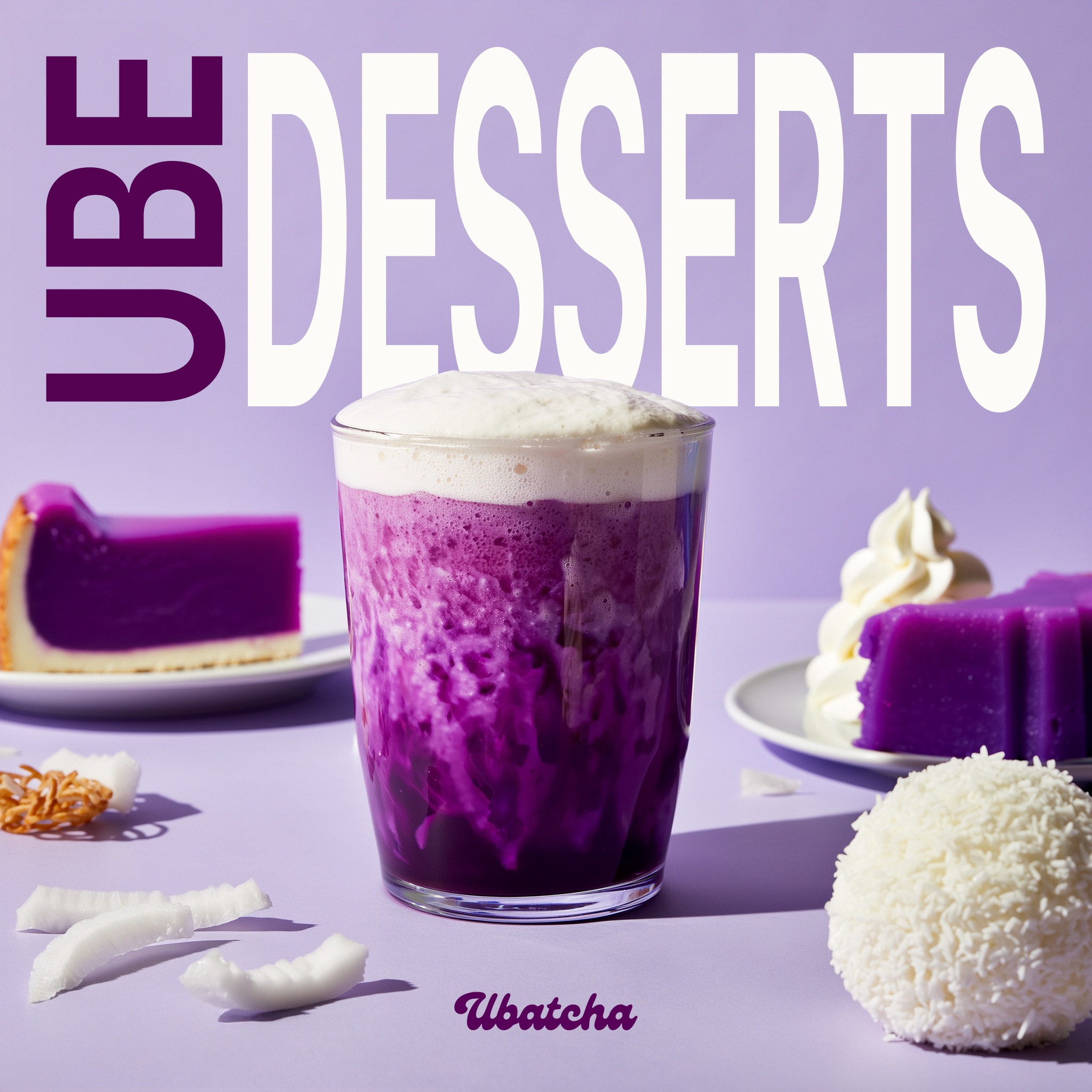
Its natural purple hue makes it instantly recognizable in smoothies, pastries, cookies, and lattes.
2. A Flavor That’s Easy to Love
Warm, soft, and subtly sweet, think vanilla, white chocolate, and sweet potato blended together.
3. Social Media Appeal
Ube desserts photograph beautifully, making them irresistible for cafés, bakeries, and creators worldwide.
4. A Sense of Discovery
Trying ube feels new, fun, and adventurous, even for seasoned food lovers.
How Ube Is Used Today
Modern cafés and home cooks use ube in an endless range of creations:
-
ube lattes and iced drinks
-
cakes, donuts, cookies, and pastries
-
ice creams and soft-serve
-
pancakes and waffles
-
ube milkshakes and smoothies
-
spreads, jams, and flavored powders
Because its sweetness is gentle, ube pairs well with dairy, coconut, matcha, and coffee.
Ube vs. Taro: Are They the Same?
No. Although they look similar when raw, taro has a more earthy, nutty taste, while ube is sweeter and more floral.
Ube is also naturally purple, while taro’s color varies from pale lavender to gray.
Why Ube Matters
Beyond trends, ube represents craftsmanship, culture, and the global rise of Filipino flavors. It’s an ingredient rooted in memory, yet incredibly versatile in modern cuisine. Whether stirred into a latte or baked into a cake, ube feels warm, comforting, and delightfully new.


Leave a comment
All comments are moderated before being published.
This site is protected by hCaptcha and the hCaptcha Privacy Policy and Terms of Service apply.