

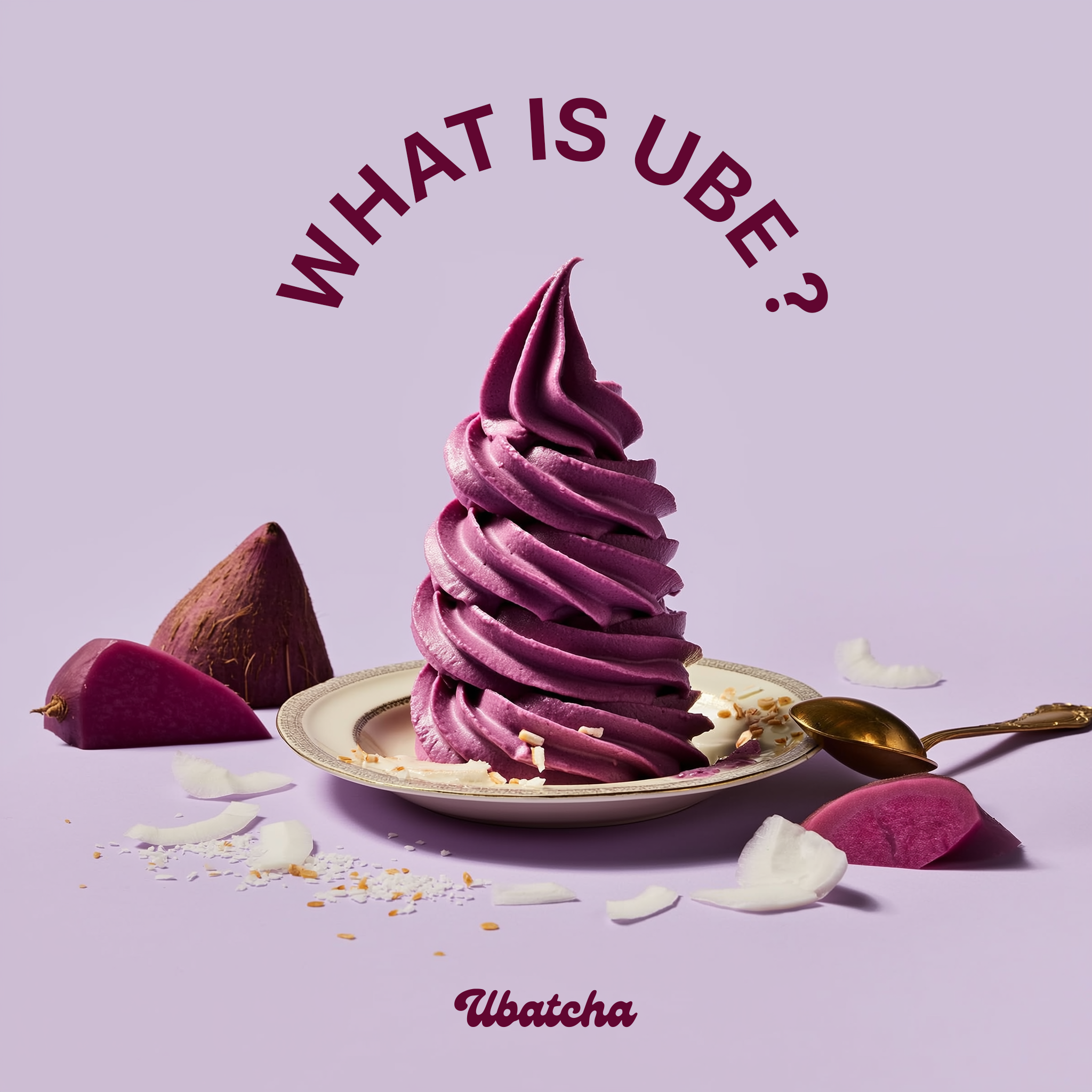
Few ingredients are as instantly captivating as ube, the vibrant purple yam that has travelled from Filipino kitchens to cafés, bakeries, and social feeds around the world. Its colour is striking, of course, but the real magic lies in the flavour: soft, creamy, subtly sweet, and endlessly comforting. Today, ube is more than a trend. It is a cultural icon, a bridge between tradition and modern creativity.
From Filipino Heritage to Global Sensation
For generations, ube has played a central role in Filipino celebrations. It appears in family gatherings, Christmas tables, street-side bakeries, and the famous ube halaya , slow-cooked jam made with care, patience, and pride.
As Filipino communities spread across the world, they brought their flavours with them, and suddenly ube began appearing far beyond its origins: in Los Angeles brunch spots, Parisian patisseries, Dubai cafés, and Tokyo dessert bars.
What makes ube unforgettable is its ability to feel both nostalgic and completely new. To Filipinos, it tastes like home. To everyone else, it feels like discovering a flavour they always wanted but never knew existed.
Why Ube Works So Well in Desserts
Ube’s charm lies in its versatility. It blends, swirls, bakes, freezes, and whips beautifully into almost any dessert. And unlike many colourful ingredients, its colour is completely natural.
Here’s why pastry chefs love it:
-
Its flavour is gentle and comforting, making it an ideal base for creative recipes.
-
It pairs naturally with dairy, turning lattes, soft serve, and cakes into velvety treats.
-
Its natural purple pigment is visually stunning, no artificial colouring needed.
-
It holds its structure well, working in frostings, fillings, doughs, and custards.
Ube isn’t loud or overpowering, it’s subtle, warm, and soothing, which is why it blends effortlessly into both traditional and modern desserts.
Traditional Classics With a Modern Twist
Filipino cuisine offers countless beloved ube desserts, each with its own nostalgic charm. Today, these classics are being reimagined by chefs around the world.
Ube Halaya
The heartbeat of ube culture. Slow-cooked, creamy, and deeply fragrant. Now used as a spread, swirl, or base for modern recipes.
Ube Ice Cream
Once a local favourite, now a global sensation. Smooth, pastel-purple, and incredibly photogenic.
Ube Cakes & Rolls
Fluffy chiffon cakes and pillowy rolls filled with ube cream, now appearing in bakeries worldwide.
Ube Cheesecake
A fusion that marries Filipino flavour with Western comfort, silky, rich, and visually striking.
Ube Lattes & Drinks
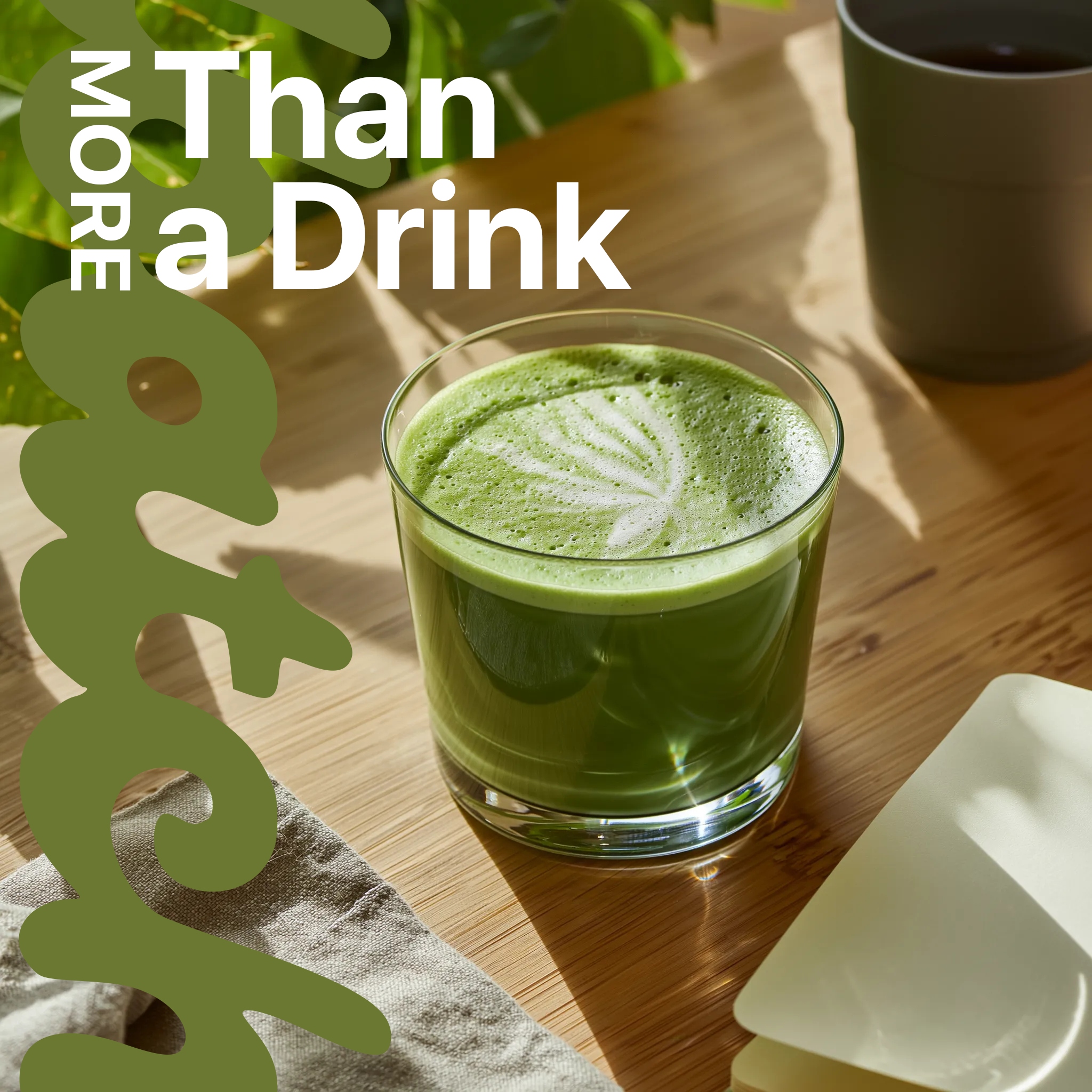
Cafés everywhere have embraced ube for its aesthetic beauty and mellow sweetness. No artificial colouring, just nature at its most generous.
Why the World Is Obsessed With Purple Desserts
Colour plays a role, of course. Ube desserts instantly stand out online, and in a world driven by visual culture, this matters. But the deeper reason is sensory: ube feels familiar yet new, indulgent yet calming. It belongs to a broader movement towards gentle, warm, emotional flavours, desserts that comfort, not overwhelm.
Ube also embodies cultural storytelling. Enjoying ube is, in many ways, appreciating a piece of Filipino heritage. And people love food that carries meaning, history, and community.
How Ubatcha Reimagines Ube Today
At Ubatcha, our mission is to bring ube to more kitchens and rituals around the world, while honouring its roots. Our Ube Halaya powder captures the same creamy, nostalgic essence of traditional halaya, recreated in a form that’s easy to use in lattes, desserts, frostings, smoothie bowls, and creative recipes.
It’s ube made modern: the soul of tradition, reinterpreted for today’s tastes and routines.


Leave a comment
All comments are moderated before being published.
This site is protected by hCaptcha and the hCaptcha Privacy Policy and Terms of Service apply.