

Few ingredients have captured the internet’s imagination quite like matcha and ube. One brings a centuries-old Japanese tradition; the other, a vibrant Filipino classic that has recently gone global. Different cultures, different stories, yet both have become staples of modern cafés, TikTok drinks, and wellness-inspired routines.
This article explores what makes matcha and ube so special, how their flavors compare, and why the world seems equally obsessed with both.
Origins: Tradition Meets Trend
Matcha — A Ritual Rooted in Ceremony
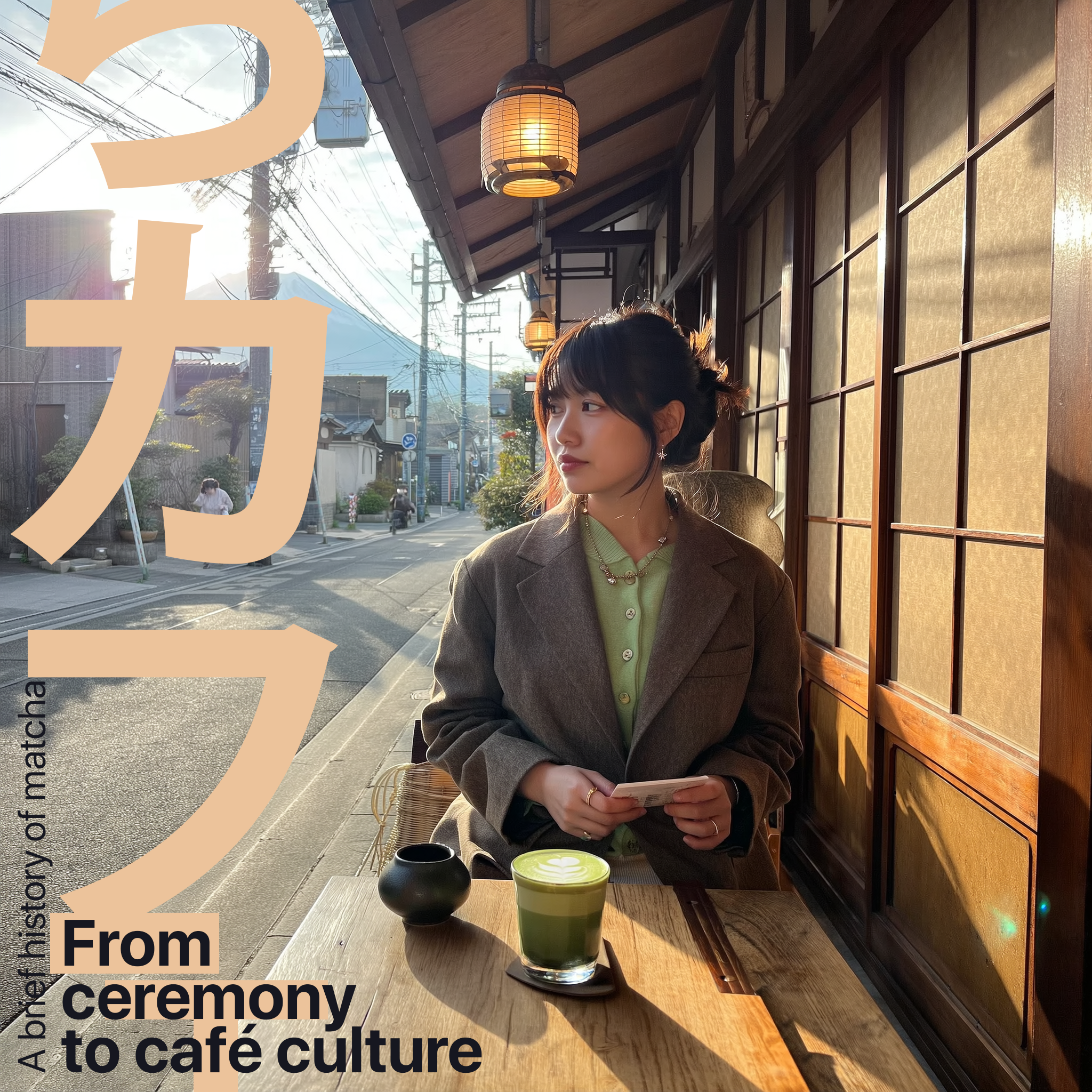
Matcha has been part of Japanese tea culture for over 800 years. Originally enjoyed by monks for its ability to support meditation and focus, matcha later became central to the Japanese tea ceremony (chanoyu). Its preparation is meditative, deliberate, and deeply symbolic, representing harmony and mindfulness.
Ube — A Filipino Treasure Turned Global Star
Ube (purple yam) has been used in Filipino cuisine for generations. Known for its naturally vibrant color and subtly sweet flavor, it appears in halaya, cakes, ice creams, pastries, and drinks. For decades, ube was a comfort-food staple in Filipino households, but social media turned it into a global phenomenon.
Matcha = ancient ritual.
Ube = cultural comfort and creativity.
Flavor Profile: Green vs. Purple, Calm vs. Cozy
What Matcha Tastes Like
High-quality matcha is:
-
earthy and naturally sweet
-
slightly grassy
-
creamy when whisked
-
smooth and low in bitterness (when ceremonial grade)
It tastes “calming”, like a soft, warm green flavor with depth.
What Ube Tastes Like
Ube is:
-
subtly sweet
-
vanilla-like
-
nutty and buttery
-
soft, cozy, and familiar
Its flavor is often described as a cross between vanilla, pistachio, and white chocolate.
Matcha feels grounding and energizing.
Ube feels warm, dessert-like, and comforting.
Color: The Icons of Green and Purple
The visual appeal of both ingredients is a huge part of their popularity.
-
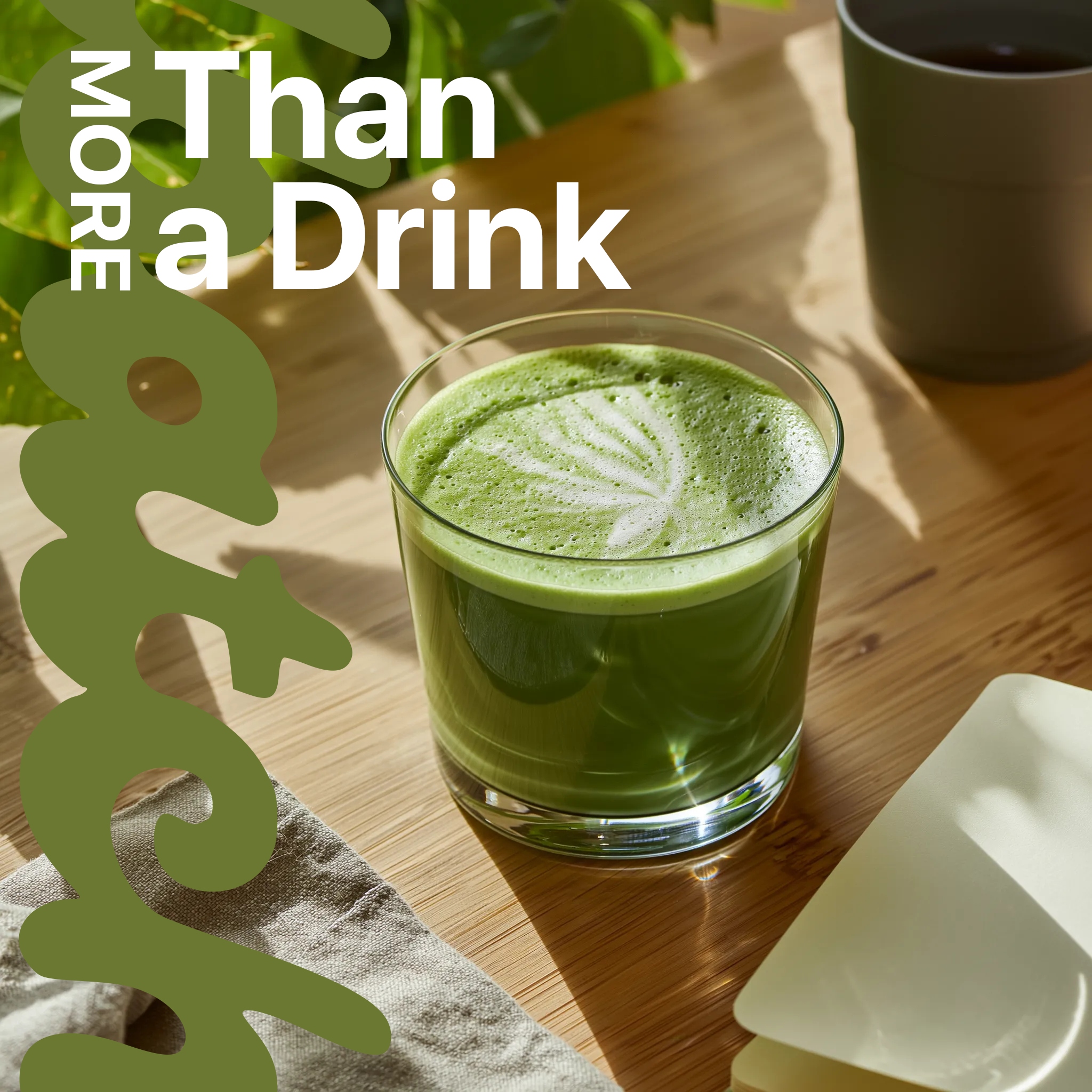
Matcha gives drinks and desserts a vibrant green tone, instantly recognizable and associated with wellness.
-
Ube offers a natural purple hue that looks playful, aesthetic, and uniquely eye-catching.
On social media, both colors have become part of café culture and “soft girl” drink trends.
Health Benefits: Energy vs. Antioxidants vs. Comfort
Matcha Benefits
-
Provides clean, long-lasting energy (thanks to L-theanine + natural caffeine)
-
High in antioxidants
-
Supports focus and concentration
-
Can enhance mood and reduce stress
It’s often used as a coffee alternative because its energy curve is smoother and calmer.
Ube Benefits
-
Naturally rich in fiber
-
Contains vitamins A, C, and antioxidants
-
Supports digestion
-
Naturally gluten-free and plant-based
Ube is more of a nutritious comfort food ingredient, not a stimulant like matcha.
In Drinks: Which One Fits Your Ritual?
If you love…
-
calming routines
-
mindful mornings
-
slow, aesthetic rituals
-
stable energy
→ Matcha fits your lifestyle.
If you love…
-
dessert-style drinks
-
soft, creamy flavors
-
cozy afternoon treats
-
colorful café vibes
→ Ube is your perfect match.
Both can be enjoyed iced or hot, and both blend beautifully with milk (dairy or plant-based).
Do Matcha and Ube Work Together?
Absolutely, and the world is catching on.
The combination of matcha + ube:
-
balances earthy and sweet
-
creates layered flavors
-
looks aesthetic (green + purple)
-
tastes like a matcha latte with a creamy, cozy twist
It’s becoming one of the most popular flavor duos of the moment.
Two Icons, One Love
Matcha and ube aren’t rivals, they’re complementary.
One brings energy, clarity, and tradition.
The other brings comfort, creativity, and color.
Together, they represent the new wave of modern wellness and café culture: beautiful, flavorful, and rooted in heritage.


Leave a comment
All comments are moderated before being published.
This site is protected by hCaptcha and the hCaptcha Privacy Policy and Terms of Service apply.